
 EN
EN
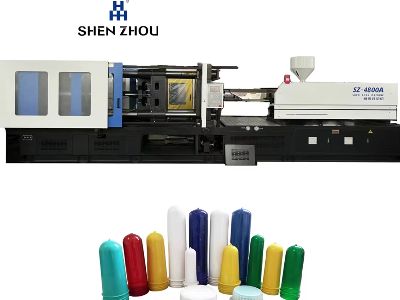
Vertical vs. Horizontal Injection Molding Presses
When it comes to plastic injection molding presses, there are two main types: vertical and horizontal. Both have unique features and benefits, and understanding their differences can help businesses such as SHENZHOU choose the right machine for their production needs. Vertical presses generally take up less floor space and can be useful for certain product shapes and insert molding applications. Horizontal presses are commonly used for larger parts and high-volume production. Each type has advantages depending on the products, materials, production volume, and available factory space.
What Are the Cost Benefits of Vertical Injection Molding?
Choosing vertical injection molding can be a practical option for businesses that want to manage production costs. Vertical presses often have a compact design, allowing manufacturers to use available factory space efficiently. This can be helpful for facilities where floor space is limited.
Vertical machines can also be convenient for certain production processes because materials and inserts can be loaded from above. Depending on the application, this may simplify setup and handling. For smaller components or products that require insert molding, a vertical press can provide an efficient production solution. Another potential benefit is reduced material and energy use for suitable applications. However, actual operating costs depend on the machine model, mold design, material, cycle time, and production requirements. Businesses should compare the total operating cost rather than choosing a machine based only on its initial purchase price. For wholesale production, the right vertical plastic cup injection molding machine press can help manufacturers produce consistent parts while making efficient use of factory space. Companies such as SHENZHOU can help buyers evaluate machine specifications according to their particular applications.
How to Choose the Right Injection Molding Press for Wholesale Production?
Selecting the right injection molding press starts with understanding the products you plan to manufacture. Consider the part dimensions, weight, material, mold size, and required clamping force. Larger and heavier components may require a horizontal machine with greater capacity, while smaller components and certain insert-molding applications may be better suited to vertical equipment. Production volume is another important factor. High-volume operations often require machines that can maintain consistent cycle times and support efficient automated production. For smaller batches or products that require frequent mold changes, flexibility and ease of setup may be more important.
Available factory space should also be considered. Vertical machines can have a smaller footprint, which may make them suitable for facilities with limited floor space. Horizontal machines generally require more floor area but can provide advantages for larger molds and automated production systems.
Maintenance, operator training, energy consumption, and technical support should also be included in the decision. A machine that is easy to operate and maintain can help reduce downtime and improve productivity. Buyers should also check the manufacturer's after-sales support, spare parts availability, and technical assistance before making a purchase.
Vertical vs. Horizontal Injection Molding Press Efficiency
Vertical and horizontal injection molding presses can both provide efficient production, but their advantages depend on the application. Vertical machines often have a compact structure and can be convenient for loading inserts or handling certain specialized molds. Their design can make them particularly useful when the production process requires workers or automation systems to access the mold vertically.
Horizontal injection molding presses are widely used for high-volume production. Their horizontal mold arrangement works well with automated part removal and conveyor systems, making them suitable for continuous manufacturing. They are also commonly available with higher clamping forces, allowing them to produce larger components. For wholesale buyers, the key question is not simply which machine is faster. Instead, buyers should evaluate cycle time, mold-changing requirements, automation options, part size, production volume, and material usage. A plastic cap compression molding machine that performs efficiently for one product may not be the best choice for another. Understanding these differences allows manufacturers to select equipment that matches their actual production requirements instead of choosing a machine based only on general specifications.
Where to Find Quality Injection Molding Presses at Wholesale Prices?
When sourcing injection molding presses at competitive wholesale prices, buyers should research manufacturers and compare machine specifications carefully. Online manufacturing equipment platforms can provide useful information about available models, but buyers should also review technical documentation and supplier experience. Trade shows are another useful way to evaluate injection molding equipment. Buyers can see machines operating, discuss technical requirements with manufacturers, and compare different models. Direct communication can also help buyers understand customization options, production capabilities, and after-sales services.
Customer references and reviews can provide additional information about a manufacturer's reliability. Buyers should consider factors such as machine performance, build quality, technical support, warranty coverage, and spare-parts availability rather than focusing only on the purchase price.
SHENZHOU provides injection molding equipment designed for different production requirements. When evaluating a machine, wholesale buyers should clearly explain their product dimensions, materials, mold specifications, required production volume, and available factory space. This information can help determine whether a vertical or horizontal injection molding press is more suitable.
Horizontal injection molding presses can be particularly useful for complex product designs. Their clamping systems and available machine capacities can support molds with detailed features and larger dimensions. They are widely used for products such as automotive components, consumer goods, toys, and various industrial parts. The ability to precisely control injection pressure, temperature, and cycle conditions can also contribute to consistent product quality. With the appropriate mold and machine configuration, horizontal presses can produce detailed components with repeatable dimensions.
For businesses producing complex products in large quantities, a horizontal plastic cap injection machine press may provide the production capacity and automation flexibility needed to maintain consistent output. However, the best choice ultimately depends on the specific product and manufacturing process.
Table of Contents
- Vertical vs. Horizontal Injection Molding Presses
- What Are the Cost Benefits of Vertical Injection Molding?
- How to Choose the Right Injection Molding Press for Wholesale Production?
- Vertical vs. Horizontal Injection Molding Press Efficiency
- Where to Find Quality Injection Molding Presses at Wholesale Prices?