
 EN
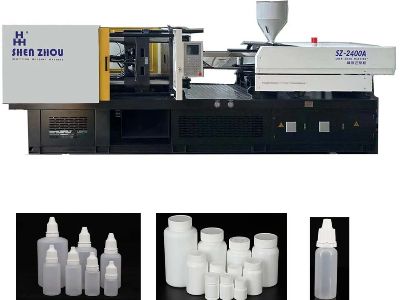
Understanding the cost of industrial injection molding machines is crucial for businesses looking to invest in efficient production equipment. The pricing can vary significantly based on multiple factors, and potential buyers, such as purchasing managers and engineers, often have specific concerns about specifications, reliability, and long-term value. This article provides a comprehensive cost guide, detailing the various elements that influence pricing and offering insights into making informed purchasing decisions.
What Factors Influence the Cost of Industrial Injection Molding Machines?
Several factors play a pivotal role in determining the cost of industrial injection molding machines.
Machine Specifications: The price can vary based on the machine's size, clamping force, and injection capacity. Larger machines that handle higher clamping forces are typically more expensive. Buyers should assess their production needs to find the right balance between machine size and capacity.
Automation Level: Machines that feature advanced automation capabilities, such as computer control and robotics for part handling, often come with a premium price tag. While these systems can enhance efficiency and reduce labor costs, it's essential to evaluate the return on investment based on production volume.
Material Compatibility: The ability of a machine to process various materials, including thermoplastics, elastomers, and composites, can impact its cost. Buyers should determine the types of materials they intend to use, as specialized machines for specific materials may carry higher prices.
Quality and Brand Reputation: Established manufacturers often command higher prices due to their reputation for quality and reliability. Investing in reputable brands can lead to better long-term performance, fewer breakdowns, and lower maintenance costs.
Customization Options: Tailored solutions may add to the plastic cup molding machine cost. Machines can be customized to meet specific production requirements, and while this may increase upfront costs, it can enhance productivity and efficiency tailored to particular industries.
Warranty and Support: The warranty period and the level of customer support provided can also affect pricing. Machines with longer warranties and robust support services may have higher initial costs but can lead to reduced maintenance and replacement expenses over time.
Where to Find Reliable Suppliers for Injection Molding Equipment?
Finding trustworthy suppliers for injection molding machines is crucial for ensuring quality and service.
Industry Trade Shows: Attending trade shows can provide firsthand experience with different manufacturers and their technologies. These events often showcase the plastic cup injection molding machine latest innovations and allow buyers to engage with representatives directly.
Online Marketplaces and Directories: Websites specializing in industrial equipment can be helpful. Platforms like Alibaba, ThomasNet, or even specific manufacturing directories can connect buyers with verified suppliers.
Referrals and Recommendations: Networking within industry circles or seeking recommendations from peers can lead to reliable supplier connections. Engaging with other businesses that have purchased similar equipment can provide insights into supplier performance.
Manufacturer Websites: Directly visiting manufacturer websites can provide detailed information about their offerings, certifications, and customer testimonials. ZHANG JIA GANG SHEN ZHOU MACHINERY CO., LTD. is an example of a manufacturer with extensive experience and a focus on quality, making it a potential option for buyers.
Quality Certifications: When researching suppliers, look for certifications such as ISO 9001, which indicates adherence to quality management standards. This can be a good indicator of a supplier's reliability and commitment to quality.
New vs. Used Industrial Injection Molding Machines
Deciding between new and used injection molding machines involves weighing cost against performance and reliability.
New Machines
Advantages: New machines typically come with the latest technology, warranties, and support. They offer reliability and efficiency, reducing the risk of unexpected breakdowns.
Disadvantages: The initial investment can be significantly higher, which may be a barrier for smaller businesses or those with limited budgets.
Used Machines
Advantages: Purchasing used machines can lead to substantial cost savings. Many used machines, especially from reputable manufacturers, can still deliver excellent performance.
Disadvantages: The risks include potential wear and tear, lack of warranty, and limited support. Buyers should thoroughly inspect used machines and verify their operational history before purchase.
When considering either option, assessing the production requirements, budget constraints, and long-term goals is critical.
Evaluating Injection Molding Machine Performance
To ensure that an injection molding machine meets production needs, several performance factors should be evaluated:
Cycle Time: The speed at which a machine can complete a cycle directly affects productivity. Understanding the average cycle time for different models allows buyers to project potential output rates.
Energy Efficiency: Machines that consume less energy can lead to lower operational costs. Evaluating energy consumption ratings can be beneficial, particularly for high-volume operations.
Precision and Tolerance: The precision of the machine significantly impacts product quality. Buyers should review specifications related to tolerances and repeatability, ensuring the machine can produce parts that meet their quality standards.
Maintenance Requirements: Understanding the bottle cap injection molding machine maintenance needs of a machine is essential. Machines that require frequent servicing can lead to unexpected downtime. Consideration of the manufacturer’s maintenance support and the availability of replacement parts is crucial.
User-Friendly Controls: Machines with intuitive controls and monitoring systems can reduce the learning curve for operators, thus enhancing productivity and minimizing errors.
Installation Guidance for Your Industrial Injection Molding Equipment
Proper installation of injection molding machines is vital for optimal performance. Here are key considerations:
Site Preparation: Ensure that the installation site is suitable for the machine's size and operational requirements, including adequate power supply, ventilation, and space for material handling.
Professional Installation: It is advisable to engage professional technicians for installation. They can ensure that the machine is set up according to the manufacturer’s specifications, which is crucial for achieving optimal performance.
Calibration and Testing: Following installation, machines should be calibrated according to the production specifications. Conducting test runs helps confirm that the machine operates correctly and meets the required cycle times and tolerances.
Operator Training: Investing in proper training for operators is essential. Familiarity with the machine’s functionalities can prevent operational errors and enhance productivity.
Documentation: Maintain all operational and installation documentation. This includes manuals, warranty information, and service agreements, which are critical for future reference and support.
By considering these factors, businesses can make informed decisions regarding the procurement and installation of industrial injection molding machines, ultimately leading to a more efficient manufacturing process.
Table of Contents
- What Factors Influence the Cost of Industrial Injection Molding Machines?
- Where to Find Reliable Suppliers for Injection Molding Equipment?
- New vs. Used Industrial Injection Molding Machines
- Evaluating Injection Molding Machine Performance
- Installation Guidance for Your Industrial Injection Molding Equipment