
 EN
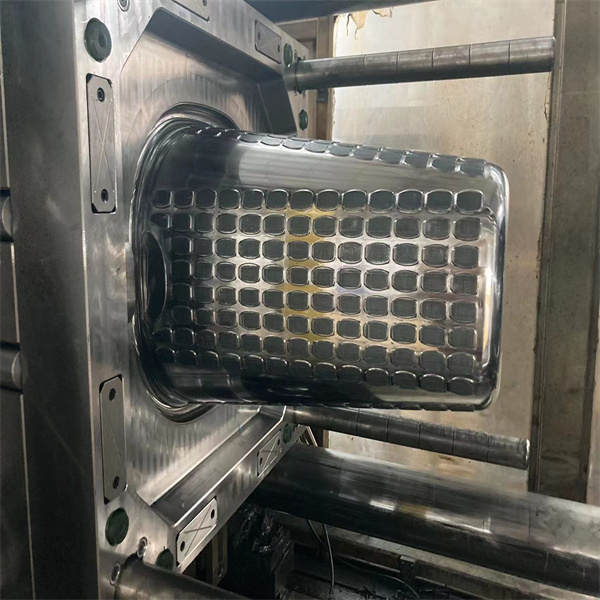
In the competitive landscape of manufacturing, modern plastic molding machine innovations have become crucial for companies seeking to cut production costs. These advanced machines not only enhance efficiency but also improve product quality and reduce waste. For purchasing managers and engineers, understanding these innovations is essential for making informed decisions that align with both budgetary and operational goals. This article will delve into how modern plastic molding machine innovations reduce production costs, evaluate the cost benefits of advanced injection molding machines, and offer practical guidance for selecting vendors and troubleshooting common issues.
How Modern Innovations in Plastic Molding Reduce Production Costs
Modern innovations in plastic molding machine technologies significantly contribute to lowering production costs through several key mechanisms. Firstly, advancements in automation and computer control systems enhance precision and consistency, reducing material waste and minimizing rework or defects. For instance, automatic computer injection molding machines, such as the SZ series produced by Zhang Jia Gang Shen Zhou Machinery Co., Ltd., utilize sophisticated algorithms to optimize cycle times and material usage, leading to substantial cost savings over time.
Additionally, energy-efficient designs have emerged, employing servo motors and other technologies that consume less power compared to traditional models. This energy efficiency translates into lower operational costs, making it a pivotal consideration for manufacturers focused on sustainability and profitability. Furthermore, modern machines often require less maintenance and fewer repairs, lowering long-term operational costs and minimizing downtime.
Evaluating the Cost Benefits of Advanced Injection Molding Machines
When evaluating the cost benefits of advanced injection molding machines, several factors must be considered. One of the most significant is the initial investment versus long-term savings. While advanced machines may come with a higher upfront cost, their efficiencies can lead to reduced production times and lower labor costs, ultimately providing a favorable return on investment.
Another important consideration is the versatility of modern injection molding machines. These machines can often handle a wider range of materials and products, allowing manufacturers to expand their offerings without needing to invest in additional equipment. This flexibility can lead to a broader market reach and increased sales, further enhancing profitability.
Additionally, it is crucial to assess the total cost of ownership, which includes maintenance, energy consumption, and potential downtime. Advanced machines typically offer superior reliability and require less maintenance, which can significantly reduce overall costs in the long run.
What to Look for in Molding Machine Vendors
Choosing the right molding machine vendor is a critical decision that can affect both production efficiency and product quality. When evaluating vendors, consider the following factors:
Experience and Expertise: A vendor with extensive experience in the industry can provide invaluable insights and recommendations tailored to your specific needs. Look for companies with a proven track record in producing high-quality automatic plastic molding machine and a deep understanding of the materials and processes involved.
Customization Capabilities: Depending on your production requirements, you may need machines that can be customized for specific applications. Ensure the vendor has the flexibility to accommodate custom requests and can provide tailored solutions that fit your operational needs.
Support and After-Sales Service: Reliable after-sales support is essential for minimizing downtime and maintaining productivity. Assess the vendor’s service offerings, including installation guidance, training, and ongoing maintenance support.
Compliance with Standards: Vendors should comply with international standards for quality and safety. This compliance not only ensures product reliability but also helps in meeting regulatory requirements in your target markets.
Cost and Value Proposition: While price is a key consideration, evaluate the overall value proposition. A lower price may not always be better if it compromises quality or service.
Installation Guidance for Efficient Use of Molding Technology
Proper installation of injection molding machines is crucial for maximizing performance and ensuring longevity. Here are some key steps to consider during the installation phase:
Site Preparation: Ensure that the installation site meets all necessary requirements, such as adequate space, ventilation, and power supply. Proper site preparation can prevent future operational issues.
Professional Installation: Engage qualified technicians for installation to guarantee that the machine is set up according to manufacturer specifications. Incorrect installation can lead to operational inefficiencies and potential damage.
Calibration and Testing: After installation, conduct thorough calibration and testing to ensure the machine operates correctly. Check parameters such as temperature, pressure, and cycle times to align with production requirements.
Training for Operators: Provide comprehensive training for machine operators to ensure they understand the machine's features and best practices for operation. Well-trained personnel can enhance productivity and reduce the risk of errors.
Common Problems with Molding Machines and Their Solutions
Despite advancements in technology, issues can still arise with injection molding machines. Here are some common problems and their solutions:
Inconsistent Quality: Variability in product quality can stem from improper machine settings or material inconsistencies. To address this, regularly check and calibrate machine parameters and ensure the use of high-quality, consistent materials.
Short Shots: This occurs when the mold does not fill completely, leading to defective products. Short shots can be mitigated by adjusting injection speed and pressure, ensuring the machine is set to the optimal parameters for the specific material and part design.
Flash: Excess material that seeps out of the mold can affect product appearance and fit. To reduce flash, check mold alignment, adjust clamping force, and ensure proper cooling times.
Overheating: Machines may overheat due to poor ventilation or excessive cycle times. To prevent overheating, ensure that the machine is adequately cooled and that operators are following recommended cycle times.
By being proactive and addressing these common issues, manufacturers can maintain efficient operation and high product quality, ultimately supporting cost reduction efforts.
By understanding how modern industrial plastic molding machine innovations cut production costs, evaluating the benefits of advanced injection molding machines, and knowing what to look for in vendors and installation guidance, B2B buyers are better equipped to make informed purchasing decisions. Addressing common issues effectively further enhances the efficiency of production processes, underscoring the importance of investing in advanced technology for long-term success.