
 EN
EN
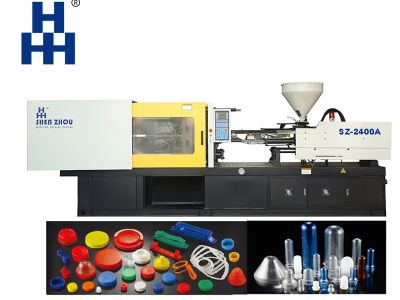
Common Operator Errors in Injection Molding Machines
Mistakes can happen when operating an injection molding machine, and understanding these common errors can help prevent production problems. At SHENZHOU, we know that proper machine operation is important for producing consistent, high-quality parts. Injection molding machines are used to manufacture many products, from toys and household items to automotive components. When a machine is not operated correctly, it can result in wasted materials, production delays, and defective products. Learning how to identify and prevent common operator mistakes can lead to smoother operations and better results.
What Are the Most Common Operator Errors in Injection Molding Machines?
There are several mistakes that operators may make when using injection molding machines. One common error is failing to set the correct temperature. Each type of plastic requires a suitable processing temperature. If the temperature is too low, the plastic may not flow properly into the mold. If it is too high the material may burn or degrade. Operators should always check the recommended processing temperature before production. Another common problem is incorrect mold alignment. If the mold is not properly aligned, the finished product may have defects or may not form correctly. Operators should inspect the mold before production and ensure that it is securely positioned. Poor machine maintenance can also cause problems. Dust, debris, and material buildup can cause components to wear faster or interfere with normal operation. Operators should clean the machine regularly and inspect important components for signs of wear. Hydraulic fluid levels should also be checked when applicable. Insufficient fluid can affect pressure and machine performance. In addition, improper plastic cup molding machine speed can cause uneven material flow, resulting in weak spots or other defects in the finished product. Finally, failing to perform routine inspections can allow small problems to develop into expensive repairs. Regular checks and preventive maintenance can help operators identify potential issues before they affect production.
How to Identify and Fix Common Injection Machine Operator Mistakes?
Operators should pay close attention to machine performance to identify errors early. Unusual noises, inconsistent temperatures, pressure changes, or defective products can all indicate that something needs attention. Temperature readings should be monitored throughout production to ensure they remain within the appropriate range for the material being processed. If the finished product shows defects, operators should inspect the mold for contamination, damage, or alignment problems. Cleaning the mold regularly can help reduce defects and maintain consistent product quality.
If injection pressure is lower than expected, operators should check the machine's hydraulic system and fluid levels where applicable. Any maintenance or fluid replacement should follow the manufacturer's instructions and safety procedures. Injection speed may also need adjustment. If the material does not fill the mold evenly, operators can review the recommended processing parameters and make controlled adjustments. Small test runs can help determine whether the settings produce acceptable results before full-scale production begins. Keeping plastic cup injection molding machine and production log is another useful practice. Recording temperature settings, pressure levels, maintenance activities, and recurring defects can make it easier to identify patterns and prevent repeated problems.
Where to Find Solutions for Frequent Injection Machine Operation Issues?
When an injection molding machine develops a problem, the first resource to check should be the manufacturer's manual. The manual provides information about machine operation, recommended settings, maintenance procedures, error codes, and troubleshooting steps. Online resources can also provide useful information. Operators can search for specific issues, such as inconsistent product dimensions, heating problems, or abnormal machine behavior. Industry forums and instructional videos may provide additional ideas, although operators should verify that any repair or adjustment is appropriate for their specific machine. For machine-specific problems, contacting SHENZHOU's customer support can be a better option. Technical support can help operators understand potential causes and determine the appropriate next steps. Before performing repairs or adjustments, operators should follow the machine manufacturer's safety procedures. Some problems require qualified technicians rather than routine operator intervention. Addressing problems correctly can reduce downtime and help keep production running efficiently.
How to Improve Product Quality by Addressing Injection Machine Errors?
Correcting operator errors can have a direct effect on product quality. Temperature control is one of the most important factors. If the machine temperature is too high or too low, the plastic may not melt and flow as expected. Operators should verify temperature settings before production and continue monitoring them during operation. Injection pressure is another important factor. Insufficient pressure may prevent the material from completely filling the mold, while excessive pressure can contribute to defects or excessive stress in the molded part. Operators should use recommended processing parameters and make adjustments based on the material and mold requirements. Mold condition should also be checked regularly. Molds can experience wear over time, which may affect the dimensions, appearance, and consistency of finished products. Damaged or worn components should be inspected and repaired or replaced according to the manufacturer's recommendations.
Running a small test batch before large-scale production can also help identify problems early. Operators can examine the initial parts and make necessary adjustments before producing a large quantity. Regular bottle cap injection molding maintenance, proper mold care, accurate parameter settings, and operator training can significantly reduce defects. By addressing common operating errors, manufacturers can improve consistency, reduce material waste, and maintain better overall product quality.
Where to Access Resources for Fixing Injection Machine Operator Errors?
Having access to reliable resources is important for operators who need to troubleshoot injection molding machines. The SHENZHOU website can be a useful source of machine information, manuals, operating guides, and troubleshooting resources. Operators can refer to these materials when they need assistance with routine operation or common problems. Training is another effective way to reduce operator errors. Proper training can teach workers how to operate the machine, monitor production parameters, identify warning signs, and follow appropriate maintenance procedures. Training can also help operators understand which problems they can address themselves and which require technical assistance.
Operators can also learn from other professionals through industry groups and technical forums. Sharing experiences can provide useful insights into common operating challenges and possible solutions. Finally, customer support can provide assistance when a problem cannot be resolved through standard troubleshooting. SHENZHOU's support team can help operators identify potential issues and determine appropriate solutions. By combining proper training, manufacturer documentation, routine maintenance, and technical support, operators can reduce mistakes and improve their ability to work safely and effectively with injection molding machines.
Table of Contents
- Common Operator Errors in Injection Molding Machines
- What Are the Most Common Operator Errors in Injection Molding Machines?
- How to Identify and Fix Common Injection Machine Operator Mistakes?
- Where to Find Solutions for Frequent Injection Machine Operation Issues?
- How to Improve Product Quality by Addressing Injection Machine Errors?
- Where to Access Resources for Fixing Injection Machine Operator Errors?