
 EN
EN
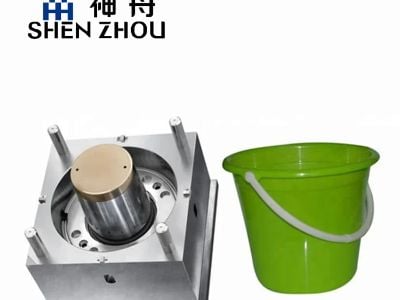
Custom Injection Mold Customization Key Considerations
When you need to create a special part through injection molding, customization is an important part of the process. The way an injection mold is designed and manufactured can directly affect the quality, consistency, and efficiency of the final product. At SHENZHOU, we understand that every detail matters when developing a custom mold. From selecting suitable materials to choosing the right design and manufacturing methods, each decision can influence how well the mold performs during production.
A well-designed custom injection mold should match the requirements of the product, production volume, material, and intended application. It should also be durable enough to handle repeated production while maintaining accurate dimensions. By considering these injection molding caps carefully from the beginning, manufacturers and buyers can reduce production problems and achieve more consistent results.
What to Look for in High-Quality Custom Injection Molds for Wholesale?
When searching for high-quality custom injection molds for wholesale production, craftsmanship is one of the first factors to consider. A well-manufactured mold should be strong, accurate, and capable of producing consistent parts over many production cycles. Poorly manufactured molds can wear quickly, resulting in dimensional changes, surface defects, or inconsistent products. The mold material is also important. Steel is commonly selected for molds that need to withstand high production volumes, heat, and repeated pressure. A properly selected steel grade can provide good durability and help the mold maintain its shape over a long service life. For shorter production runs or prototypes, aluminum may be considered because it is lightweight, easier to machine, and generally less expensive.
The mold's overall design should also support convenient maintenance. Components such as cooling channels, ejector systems, and moving sections should be designed so that they can be inspected, cleaned, and repaired when necessary. A complicated mold that is difficult to maintain can increase downtime and maintenance costs. Another important consideration is the supplier's manufacturing experience. A reliable supplier should have experience producing molds similar to the one required for your project. Buyers can ask for examples of previous work, production capabilities, inspection procedures, and information about the equipment used.
Quality control is equally important. Before a custom mold enters full production, it should be tested to determine whether it produces parts that meet the required specifications. Trial production can help identify problems with dimensions, filling, cooling, ejection, or surface appearance.
Price should also be considered, but it should not be the only deciding factor. A low-cost mold may seem attractive initially but could result in higher expenses if it requires frequent repairs or produces defective parts. Investing in a durable and accurately manufactured mold can provide better value over the entire production cycle. At SHENZHOU, careful attention to design, materials, manufacturing, and quality control can help customers develop custom injection molds that meet their production requirements and provide consistent performance.
How to Choose the Right Materials for Your Custom Injection Mold Projects?
Material selection is one of the most important decisions when customizing an injection mold. Different materials provide different levels of strength, durability, thermal performance, machinability, and cost. The right choice depends on how the mold will be used and how many parts it is expected to produce. Steel is a popular option for molds designed for high-volume production. It can withstand repeated heating, cooling, and mechanical stress. Hardened steel can provide additional wear resistance when the mold is expected to operate for a long time. Although steel molds can require a higher initial investment, their durability can make them suitable for demanding production environments.
Aluminum is another option, particularly for prototypes and lower-volume production. Aluminum molds are generally lighter and can be machined relatively quickly. They can help reduce initial tooling costs and shorten development time. However, aluminum may not provide the same service life as an appropriately selected steel mold in high-volume applications. The plastic material being molded should also be considered. Different plastics have different processing temperatures, shrinkage characteristics, flow properties, and cooling requirements. A mold must be designed to accommodate these characteristics. For example, a plastic that requires a high processing temperature may require a mold material and cooling system capable of handling greater thermal demands.
Surface finish is another consideration. The mold surface can affect the appearance and release of the finished product. Some products require a highly polished surface, while others may require a textured finish for appearance or functional reasons. The desired surface finish should therefore be considered during mold design and machining. Product strength and application requirements should also influence material selection. If the final plastic part must withstand significant mechanical stress, temperature changes, or environmental exposure, the mold design should account for the characteristics of the selected plastic. The production volume is equally important. A plastic injection molding equipment intended to produce thousands or millions of parts may require different materials and construction methods than a mold designed for a small prototype run. Selecting the material based on actual production requirements can help avoid unnecessary costs while ensuring adequate durability. At SHENZHOU, discussing the product design, plastic material, expected production volume, and operating conditions can help determine a suitable mold material and construction approach.
How to Find Reliable Suppliers for Custom Injection Molds?
Finding a reliable supplier is essential when developing a custom injection mold. The supplier must understand the product requirements and have the equipment, technical knowledge, and quality-control processes needed to produce the mold accurately. Online research can be a useful starting point. Buyers can compare suppliers based on their manufacturing capabilities, experience, equipment, certifications, and previous projects. Customer reviews and industry recommendations may also provide additional information about a supplier's reliability and service.
Before selecting a supplier, it is helpful to ask specific questions about the project. Buyers can ask how long the company has been manufacturing injection molds, what types of materials it works with, what production equipment is available, and how it checks mold accuracy.
Requesting samples or examples of previous work can also be useful. This gives buyers an opportunity to evaluate the supplier's manufacturing quality before committing to a large project. If possible, visiting the supplier's facility can provide additional insight into its production capabilities, equipment, organization, and quality-control procedures. Communication should not be overlooked. Custom mold projects often involve technical drawings, product specifications, material requirements, production targets, and design changes. A supplier should be able to communicate clearly throughout the project and respond to questions in a timely manner. Project timing should also be discussed before production begins. Custom molds can require design, machining, assembly, testing, and modifications. Establishing realistic deadlines helps both parties plan the project properly and avoid unexpected delays.
Quality control is another important factor. A reliable supplier should inspect the mold and conduct trial production before the mold is approved for full-scale manufacturing. This process can reveal problems that may not be obvious during the design stage. At SHENZHOU, maintaining clear communication and focusing on customer requirements can help make the custom mold development process more efficient. Working closely with customers allows potential design or manufacturing concerns to be addressed before they become larger production problems.
How to Ensure Precision and Accuracy in Custom Injection Mold Design?
Precision is essential when customizing an injection mold because even small design or manufacturing errors can affect the final product. The process should begin with a detailed product design that clearly defines the required dimensions, shape, surface finish, and functional features. Computer-aided design (CAD) software is commonly used to develop and review mold designs. CAD allows engineers to examine the mold structure and identify potential issues before manufacturing begins. It can also make it easier to communicate design requirements between the customer and supplier.
Design feedback is particularly important during this stage. A supplier with practical mold-making experience may identify potential problems related to material flow, cooling, ejection, wall thickness, or part removal. Making changes during the design stage is generally easier than correcting problems after the mold has already been manufactured. Manufacturing technology also affects mold precision. Modern CNC machining equipment and other precision manufacturing technologies can help produce mold components according to detailed specifications. Proper machine calibration and tool maintenance are important because inaccurate equipment can affect the dimensions of the finished mold.
The cooling system should also be carefully designed. Uneven cooling can cause problems such as warping, shrinkage, and dimensional variation in the molded part. Properly positioned cooling channels can help maintain more consistent temperatures during production. The ejection system requires similar attention. If the part does not release smoothly from the mold, it may become damaged or develop unwanted marks. Proper ejector placement and suitable draft angles can help improve part release. Testing is one of the final and most important stages. After the mold is manufactured, trial production can be performed to evaluate the resulting parts. Measurements can then be compared with the original product specifications. If problems are identified, adjustments can be made before full production begins. Regular maintenance is also necessary after the mold enters production. Cleaning, lubrication, inspection, and replacement of worn components can help preserve plastic injection molding machine suppliers accuracy and extend its service life. By combining accurate CAD design, suitable materials, modern manufacturing equipment, careful inspection, and regular maintenance, manufacturers can improve the precision and reliability of custom injection molds. For SHENZHOU, these considerations are important for helping customers achieve consistent molded parts and a smoother production process.
Table of Contents
- Custom Injection Mold Customization Key Considerations
- What to Look for in High-Quality Custom Injection Molds for Wholesale?
- How to Choose the Right Materials for Your Custom Injection Mold Projects?
- How to Find Reliable Suppliers for Custom Injection Molds?
- How to Ensure Precision and Accuracy in Custom Injection Mold Design?