
 EN
EN
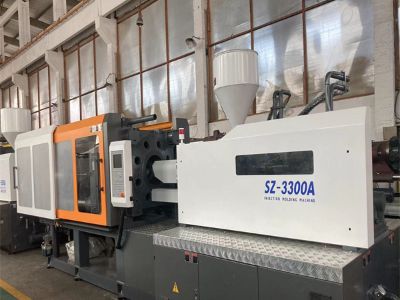
A lot of businesses use injection molds to create parts and products. These molds are like special shapes that help make things out of plastic and other materials. To keep them working well for a long time, it’s important to take care of them. At SHENZHOU, we know that proper maintenance can help extend the life of these molds. This article will explain how to do that in two main ways. First, we will look at how wholesale buyers can maximize the lifespan of their injection molder. Then, we will talk about proper cleaning techniques that can help keep molds durable.
How to Maximize Injection Mold Lifespan for Wholesale Buyers?
For wholesale buyers, taking care of injection molds means thinking ahead. When you buy a mold, it's not just about the price but also how long it will last. One important step is to choose the right injection machine. Stronger materials might cost a little more but can save you money in the long run because they last longer. It’s also smart to check the mold's design and how it fits with your production needs. A good design can reduce wear and tear.
Another tip is to keep good records of how the mold is used. By noting how many times the mold is used and for what products, you can spot any patterns. If a mold starts to show signs of damage, you can address it early before it breaks down completely. Regular inspections are also important. Look for any cracks or wear, and fix them right away. It’s also important to train your workers on how to handle the molds properly. If they know how to work with the molds carefully, they can prevent damage.
Lastly, don’t forget about storage. When not in use, molds should be stored in a safe place where they won’t get bumped or scratched. Using protective covers can help keep them safe from dust and moisture. At SHENZHOU, we always remind our customers that a little extra effort in maintenance goes a long way. By following these steps, wholesale buyers can get the most out of their injection machine mould.
How Proper Cleaning Techniques Can Extend Injection Mold Durability?
Cleaning injection molds might seem simple, but it’s one of the best ways to keep them working well. After each use, it is important to clean the molds thoroughly. This helps remove any leftover plastic or dirt that can cause problems later. Using a soft brush or a cloth can help get rid of debris without scratching the mold surface. Some people think that using strong chemicals will do a better job, but that’s not always true. Sometimes, gentle soaps are enough to clean the mold safely.
Cleaning also includes checking for any signs of rust or corrosion. If you see any, it’s important to treat it right away. You can use special sprays or oils made for molds to prevent rust from forming. Additionally, after cleaning, it's a good idea to apply a light coat of mold release agent. This not only helps in future uses but also protects the mold from damage.
Another important cleaning tip is to pay attention to the cooling channels of the mold. These channels help keep the mold at the right temperature while it works. If they get blocked, it can cause uneven melting and damage the mold. Use compressed air to blow out any dust or particles that might be stuck inside.
Lastly, don’t forget to keep a cleaning schedule. If you regularly clean your molds, they will last longer and work better. At SHENZHOU, we believe that proper cleaning is not just about keeping things tidy; it's about protecting your investment. By following these cleaning techniques, you can ensure that your injection molds have a long and productive life.
How to Identify and Address Common Injection Mold Problems?
Injection molds are important tools used to create many plastic parts. They can make toys, containers, and a lot more. But just like any tool, molds can have problems. If we want to keep our molds working well, we need to know how to find and fix these issues. One common problem is wear and tear. This happens when molds are used many times. You might notice that the finished parts are not as smooth or have little marks on them. This might mean the mold needs some repair.
Another common issue is rust. Molds are often made of metal, and if they get wet, they can start to rust. Rust can damage the mold and make it hard to use. To check for rust, look closely at the mold. If you see any brown or orange spots, that’s rust. You can clean it off with a special rust remover, but it’s important to do this quickly to prevent more damage.
Sometimes, molds can get blocked. This means that plastic can't flow smoothly into the mold. If the mold is blocked, the parts may not come out right. To fix this, you need to clean the mold regularly. Use a soft brush or cloth to remove any dirt or leftover plastic. It’s important to keep the mold clean so it can work well every time you use it.
If you find a problem, it’s important to fix it right away. Waiting too long can make the problem worse and cost more to repair. You can talk to a technician or someone who knows a lot about molds if you’re not sure how to fix it. Remember, keeping your molds in good shape helps SHENZHOU create high-quality products that everyone can trust.
Where to Source Quality Materials for Mold Maintenance?
To keep injection molds working well, it’s important to use good materials for maintenance. But where can we find these quality materials? First, it’s good to look for local suppliers. Check out hardware stores or special shops that sell tools for making plastic parts. These places often have the right cleaning supplies, lubricants, and repair kits you might need for your molds.
Another great option is to shop online. There are many websites that offer tools and materials specifically for mold maintenance. Look for reviews from other customers to make sure you are buying from a trusted seller. Websites that focus on manufacturing tools are usually the best places to find what you need. Make sure to read descriptions carefully to ensure you’re getting the right product for your mold.
You can also ask other companies that use injection molds where they get their materials. They might have some great tips or suggestions that can help you find what you need. Networking with other professionals in the industry can lead to discovering quality suppliers you may not have known about.
When you find a supplier, always check that their products meet high standards. Using the right materials is important for keeping molds in great shape. SHENZHOU believes that quality materials lead to better production, and that’s why we always look for the best. Once you have found reliable sources for maintenance supplies, you will be able to take care of your molds better and help them last longer.
How to Implement a Preventative Maintenance Schedule for Molds?
Having a good maintenance plan for injection molds is like giving them a check-up to keep them healthy. A preventative maintenance schedule helps us take care of the molds before any big problems happen. The first step is to decide how often you will check and maintain your molds. This can depend on how often you use them. If you use your molds every day, it’s a good idea to check them every week. For molds that are used less often, you might check them once a month.
Next, make a list of what needs to be done during each check-up. This list can include cleaning the mold, checking for rust, and making sure all parts are working properly. It’s also important to lubricate moving parts. Lubrication helps prevent wear and tear and keeps everything running smoothly. Set reminders in your calendar to make sure you don’t forget these important tasks.
You might want to keep a maintenance log. This is a simple way to write down what you did during each check-up. You can note when you cleaned the mold or fixed any problems. This log helps you remember what you’ve done and can be useful if you have to share it with others at SHENZHOU.
Table of Contents
- How to Maximize Injection Mold Lifespan for Wholesale Buyers?
- How Proper Cleaning Techniques Can Extend Injection Mold Durability?
- How to Identify and Address Common Injection Mold Problems?
- Where to Source Quality Materials for Mold Maintenance?
- How to Implement a Preventative Maintenance Schedule for Molds?